Are cyber security jobs still in demand?
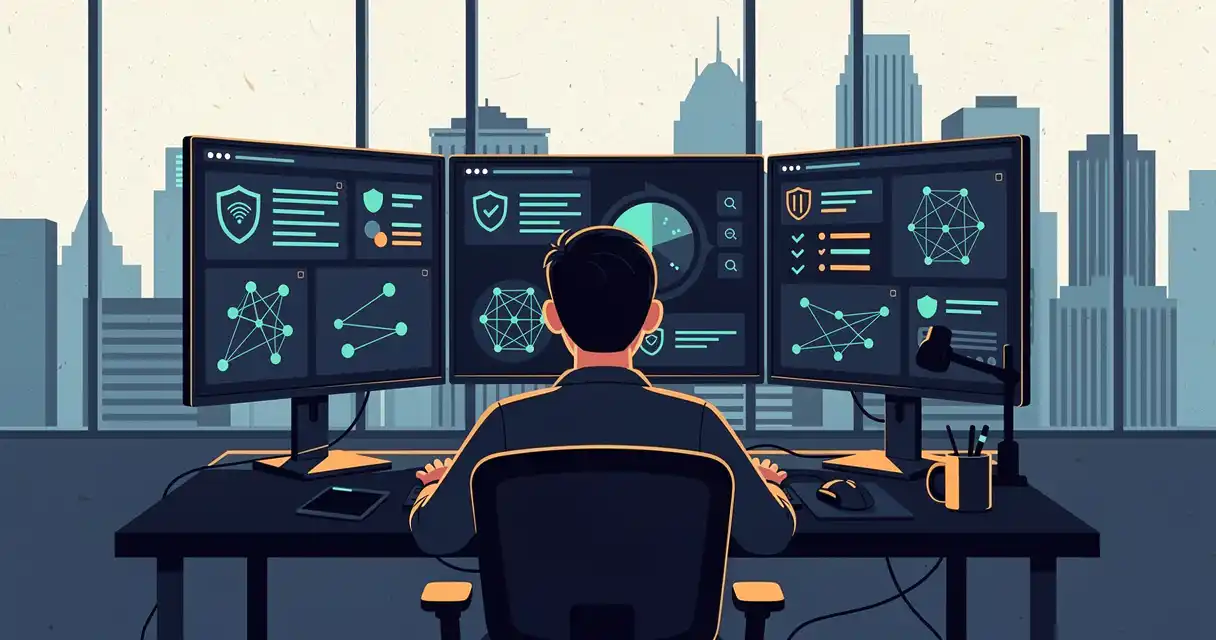
Cybersecurity jobs remain in exceptionally high demand with competitive salaries and strong growth prospects ahead.

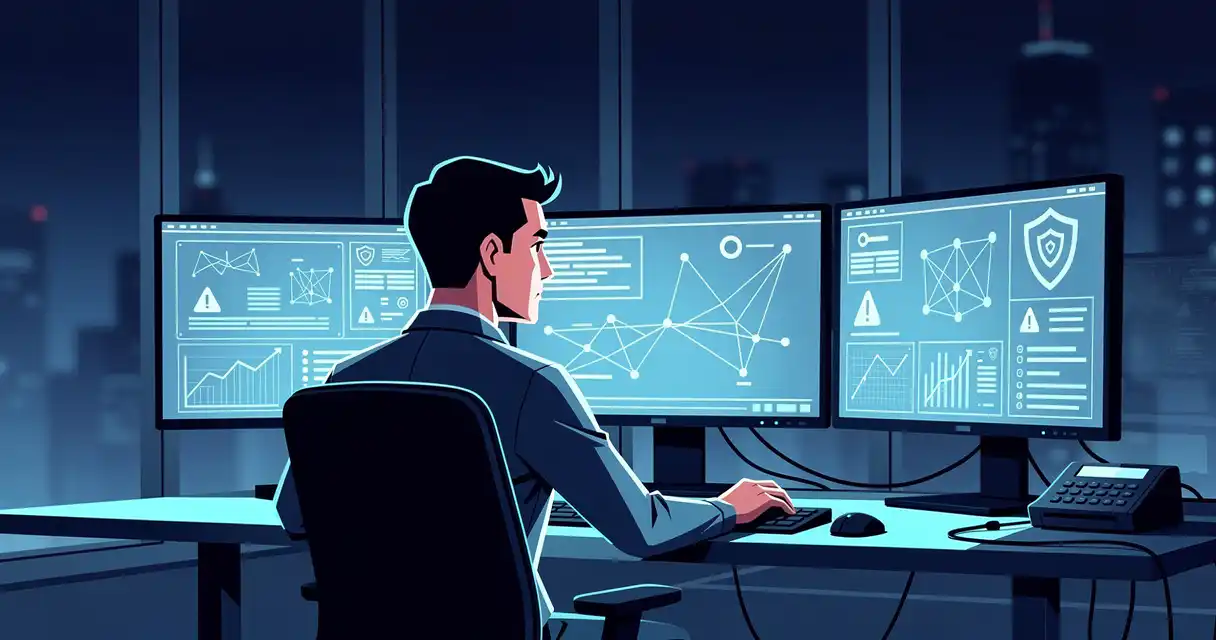
Based on industry analysis and workplace demands, cybersecurity roles consistently rank among the hardest jobs in the United States. These positions combine intense technical complexity, constant threat evolution, and high-stakes responsibility for protecting organizational assets. The field requires professionals to stay ahead of sophisticated attackers while managing complex security infrastructures and regulatory requirements.
Cybersecurity professionals face relentless pressure from 24/7 threat monitoring, incident response demands, and the knowledge that a single mistake could expose their organization to devastating attacks. This constant stress leads to exceptionally high turnover rates, with many experienced professionals leaving the field entirely after just a few years. Organizations can address this by implementing proper staffing rotations, investing in automated security tools, and creating realistic expectations around incident response workloads.
The cybersecurity talent gap means existing professionals often handle responsibilities meant for entire teams, leading to expertise being spread too thin across critical security functions. This creates dangerous knowledge silos where organizations depend heavily on individual experts, while those professionals struggle under unrealistic expectations. Companies need to prioritize strategic hiring and cross-training programs to distribute security knowledge more effectively across their teams.
The hardest jobs in America combine high stress, complex skill requirements, significant responsibility, and demanding work environments. These positions typically involve life-or-death decisions, require continuous learning, face severe consequences for mistakes, and demand exceptional mental or physical endurance.
Several factors determine job difficulty across different industries. Physical demands play a major role in fields like construction, mining, and emergency services. Mental stress dominates in healthcare, finance, and technology sectors. Emotional toll affects teachers, social workers, and law enforcement officers who deal with human suffering daily.
The most challenging positions also require extensive expertise that takes years to develop, yet professionals must constantly update their knowledge as industries evolve. These roles often involve irregular schedules, high-pressure deadlines, and accountability for outcomes that affect many people’s lives or livelihoods.
Surgeons, air traffic controllers, cybersecurity analysts, emergency responders, and special operations military personnel consistently appear on lists of America’s hardest jobs. These roles demand split-second decision-making, extensive training, and the ability to perform under extreme pressure with significant consequences for failure.
Healthcare professionals, particularly surgeons and emergency room physicians, face life-or-death decisions daily while managing complex medical procedures. Air traffic controllers must coordinate multiple aircraft simultaneously, where communication errors could result in catastrophic accidents. Emergency responders work in dangerous, unpredictable environments while helping people during their worst moments.
In the technology sector, cybersecurity analysts protect organizations from constantly evolving threats. They work irregular hours responding to security incidents and must stay current with rapidly changing attack methods. Military special operations personnel undergo rigorous training and deploy to high-risk situations requiring peak physical and mental performance.
Cybersecurity jobs rank among America’s hardest because professionals must defend against sophisticated, constantly evolving threats while managing complex technical systems. They face 24/7 responsibility for protecting valuable organizational assets, with attackers who never stop developing new methods to breach security defenses.
The technical complexity of modern cybersecurity work requires deep expertise across multiple domains, including network security, threat intelligence, incident response, and regulatory compliance. Professionals must understand both offensive and defensive techniques, stay current with emerging threats, and implement security measures across diverse technology environments.
Cybersecurity teams often work under intense time pressure during security incidents, where quick responses can mean the difference between contained breaches and organizational disasters. The psychological stress of knowing that determined attackers are constantly probing for weaknesses creates a challenging work environment that many professionals find unsustainable long-term.
The field also suffers from severe talent shortages, meaning existing professionals often handle workloads designed for larger teams. This creates situations where individuals become single points of failure for critical security functions, adding pressure and making it difficult to take time off or delegate responsibilities.
Compensation for America’s hardest jobs varies significantly, with some high-stress roles offering substantial salaries while others provide modest pay despite demanding conditions. Cybersecurity professionals typically earn competitive salaries, but job satisfaction depends heavily on organizational support and workload management.
High-paying difficult jobs include surgeons, specialized engineers, and senior cybersecurity roles, where salaries often reflect the extensive training required and the critical nature of the work. However, many challenging positions in public service, education, and social work offer lower compensation despite significant stress and responsibility.
Job satisfaction in difficult careers often correlates more with workplace culture, management support, and a sense of purpose than with salary levels. Professionals in demanding roles report higher satisfaction when they have adequate resources, reasonable workloads, and recognition for their contributions. Poor management and unrealistic expectations quickly lead to burnout regardless of compensation levels.
In cybersecurity specifically, job satisfaction varies widely between organizations. Companies that invest in proper staffing, provide ongoing training, and maintain realistic expectations tend to retain professionals longer and achieve better security outcomes.
Success in America’s hardest jobs requires exceptional stress management, continuous learning ability, strong problem-solving skills, and resilience under pressure. Professionals must develop both technical expertise specific to their field and soft skills that help them navigate high-stakes environments effectively.
Stress management becomes crucial when facing life-or-death decisions, tight deadlines, or high-consequence outcomes. Successful professionals develop coping mechanisms that allow them to maintain clear thinking under pressure while avoiding burnout over extended periods. This includes learning when to seek support and how to maintain work-life boundaries despite demanding schedules.
Continuous learning distinguishes top performers in rapidly evolving fields like cybersecurity, medicine, and technology. These professionals commit to staying current with industry developments, new techniques, and emerging challenges. They view learning as an ongoing process rather than something that ends after initial training.
Strong communication skills help professionals explain complex concepts to non-experts, coordinate with team members during high-pressure situations, and advocate for resources needed to do their jobs effectively. The ability to remain calm and clear when communicating during crises often determines successful outcomes.
We specialize in connecting organizations with elite cybersecurity professionals who can handle the demanding nature of these critical roles. Our global network spans 23 countries and includes over 120,000 cybersecurity candidates, giving you access to professionals who understand the unique challenges of high-stress security environments.
Our cybersecurity recruitment services address the specific challenges organizations face when hiring for these difficult positions:
We also offer a complimentary Vacancy Health Check to help diagnose why cybersecurity positions remain unfilled and provide actionable recommendations for improving your hiring process. Contact us today to discuss your cybersecurity staffing needs and learn how we can help you build a resilient security team.