What does a SOC analyst do on a daily basis?
SOC analysts monitor, triage, and respond to threats daily. Here is what each shift actually looks like.

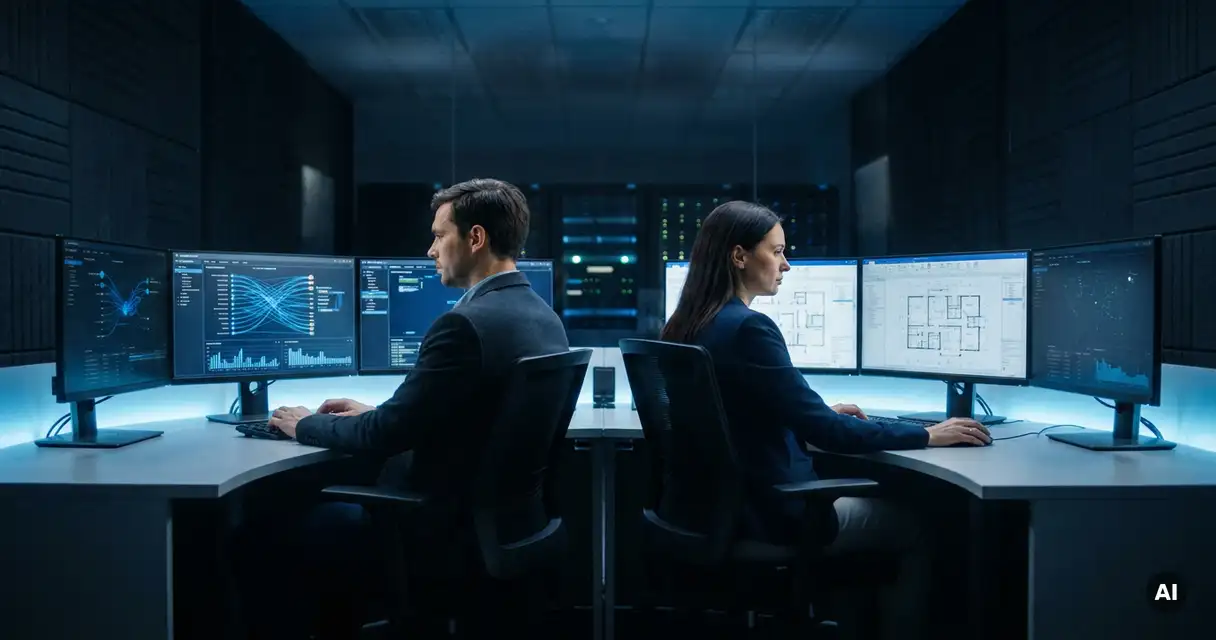
A SOC analyst monitors an organization’s IT environment around the clock, investigating security alerts, analyzing potential threats, and responding to incidents before they cause serious damage. The role sits at the heart of any security operations center, making it one of the most active and consequential positions in cybersecurity. The questions below break down exactly what that looks like from shift to shift.
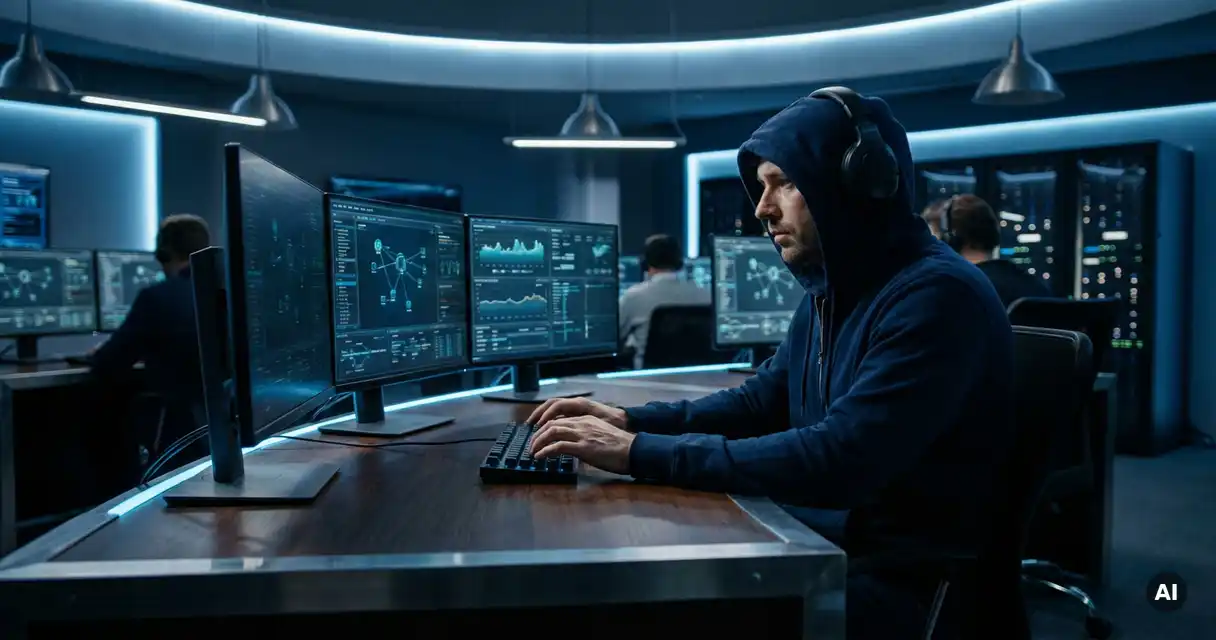
A SOC analyst’s daily tasks center on continuous monitoring, alert investigation, and incident documentation. From the moment a shift begins, the analyst reviews the security dashboard for active alerts, checks handover notes from the previous shift, and begins working through any queued events that require attention. The work is structured but rarely predictable.
Throughout the shift, a SOC analyst will typically:
The balance between these tasks shifts depending on the threat landscape that day. During a quiet period, an analyst might spend significant time on documentation and threat hunting. During an active incident, all attention shifts to containment and investigation. The ability to switch between routine monitoring and high-pressure response is a defining feature of the SOC analyst role.
A SOC analyst triages alerts by assessing the severity, source credibility, and potential business impact of each event, then prioritizing response based on risk level. Not every alert signals a real threat, and one of the most critical skills in the role is distinguishing genuine incidents from noise quickly and accurately.
Triage typically follows a structured process:
Effective triage depends heavily on the analyst’s familiarity with the organization’s normal operating patterns. An event that looks alarming in isolation may be routine for a specific team, and recognizing that distinction quickly reduces wasted effort and prevents alert fatigue from setting in.
A SOC analyst uses a core set of security tools every day, with the SIEM platform at the center, supported by endpoint detection tools, threat intelligence platforms, and ticketing systems. The exact toolset varies by organization, but the categories remain consistent across most security operations centers.
The SIEM is the primary workspace for most SOC analysts. It aggregates log data from across the environment, applies detection rules, and surfaces alerts for investigation. Analysts spend a large portion of their shift inside the SIEM, writing queries, reviewing correlated events, and tracking alert trends over time.
Endpoint Detection and Response (EDR) tools complement the SIEM by providing deep visibility into what is happening on individual devices. When a SIEM alert points to a specific machine, the analyst uses the EDR to examine process trees, file changes, and network connections at the host level.
Beyond monitoring, SOC analysts rely on:
Proficiency across this toolset is central to the cybersecurity analyst daily routine. Analysts who can move fluidly between platforms and extract meaningful context quickly are significantly more effective than those who treat each tool in isolation.
The key difference between SOC analyst tiers is the depth of investigation and the complexity of incidents each level handles. Tier 1 focuses on alert monitoring and initial triage, Tier 2 conducts deeper investigations and incident analysis, and Tier 3 handles advanced threat hunting and the most complex incidents. Each tier builds on the skills and outputs of the one below it.
Tier 1 analysts are the first line of response. Their primary function is to monitor the alert queue, perform initial triage, and determine whether an event warrants escalation. They work with predefined playbooks and established procedures, and they are expected to process a high volume of alerts efficiently. When an alert exceeds their scope or confidence level, they escalate it with clear documentation to Tier 2.
Tier 2 analysts take escalated alerts and conduct more thorough investigations. They correlate data across multiple systems, analyze malware behavior, assess the scope of a potential breach, and develop a fuller understanding of what happened and how. They are also responsible for refining detection rules and reducing false positive rates over time. Tier 2 analysts typically have more experience and a broader technical skill set than their Tier 1 counterparts.
Tier 3 analysts operate at the highest level of technical complexity within the SOC. Rather than waiting for alerts to surface, they proactively hunt for threats that have bypassed automated detection. They lead the response to major incidents, develop new detection logic, and often act as the bridge between the SOC and other security functions such as red teaming, forensics, or executive risk reporting. This level requires deep expertise in attacker techniques, network forensics, and threat intelligence analysis.
When a SOC analyst confirms a real threat, they follow an incident response process that moves through containment, eradication, and recovery in a structured sequence. Speed matters, but so does precision. Acting too quickly without understanding the full scope of an attack can allow parts of it to persist or cause additional disruption during containment.
The response process typically unfolds as follows:
Throughout this process, documentation is continuous. Every action taken, every tool used, and every finding recorded creates the audit trail that supports both internal learning and external reporting obligations.
To perform well on a daily basis, a SOC analyst needs a combination of technical knowledge, analytical thinking, and clear communication. The role demands both depth and breadth, since analysts must understand complex technical concepts while also being able to communicate findings clearly to colleagues and stakeholders who may not share the same technical background.
The most important skills for strong daily performance include:
The biggest challenges SOC analysts face include alert fatigue, high-pressure working conditions, skill gaps within teams, and the relentless pace of change in the threat landscape. These are not abstract concerns. They directly affect the quality of detection, the speed of response, and the long-term sustainability of the people doing the work.
One of the most persistent challenges in any security operations center is the sheer volume of alerts. When analysts are processing hundreds or thousands of alerts per shift, many of which turn out to be false positives, it becomes difficult to maintain the level of attention that real threats require. Over time, this creates a risk that genuine incidents are missed or deprioritized simply because analysts have been conditioned to expect noise.
Organizations address this by investing in better detection tuning, SOAR automation, and structured triage processes, but alert fatigue remains a significant factor in analyst burnout and turnover across the industry.
Security threats do not follow business hours, which means SOC operations run continuously. Shift work, including overnight and weekend rotations, creates real challenges for analysts in terms of health, focus, and work-life balance. The mental load of high-stakes work during unsociable hours compounds over time, and organizations that do not actively manage analyst wellbeing tend to see higher attrition as a result.
Attackers constantly refine their techniques, adopt new tools, and find novel ways to evade detection. For SOC analysts, this means that knowledge and skills that were current a year ago may already be partially outdated. Staying effective requires continuous learning, which is difficult to sustain alongside the demands of a full shift schedule. Organizations that invest in regular training, threat intelligence sharing, and team knowledge exchange give their analysts a meaningful advantage.
Finding SOC analysts who combine technical depth with the composure and communication skills the role demands is genuinely difficult. The gap between a good hire and the wrong one shows up quickly in detection quality, response times, and team morale.
At Iceberg, we specialize in placing cybersecurity professionals across the full SOC analyst tier structure, from Tier 1 monitoring roles through to senior Tier 3 threat hunters and beyond. Here is what we bring to the search:
If you are building out your security operations team or struggling to find the right analyst for a critical role, get in touch with us to start the conversation.